
Geotextile fabrics are indispensable in modern civil engineering, landscaping, and environmental projects, offering solutions for soil stabilization, erosion control, drainage, and separation. As of 2025, the global geotextile market is valued at $7.8 billion, with a projected CAGR of 6.5% through 2030, driven by infrastructure development and environmental sustainability initiatives (Statista, 2025). Understanding the cost of Geotextile Fabric Cost Per Square Foot is critical for project planners, contractors, and engineers aiming to balance performance and budget. Prices typically range from $0.09 to $5.00 per square foot, influenced by factors such as fabric type, material, weight, and purchase volume. This guide provides a comprehensive breakdown of geotextile fabric costs, specifications, and influencing factors, supported by data and actionable insights to help stakeholders make informed decisions for 2025 projects.
1. What is Geotextile Fabric?
Geotextile fabrics are synthetic, permeable textiles designed to enhance soil stability, filtration, drainage, and separation in construction and environmental applications. Made primarily from polypropylene (PP) or polyester (PET), they come in two main types: woven and non-woven, each suited to specific project needs. According to industry reports, geotextiles reduce project maintenance costs by 15–20% and extend infrastructure lifespan by 25% (Geosynthetics Magazine, 2024). Key applications include:
- Road Construction: Prevents aggregate mixing, saving $50,000 per lane mile on average (Eastgate Supply, 2024).
- Erosion Control: Reduces soil loss by 90% in coastal and riverbank projects (Geobera, 2022).
- Drainage Systems: Non-woven fabrics filter water at 100–140 gallons per minute (GPM) per square foot, preventing clogging (Sandbaggy, 2024).
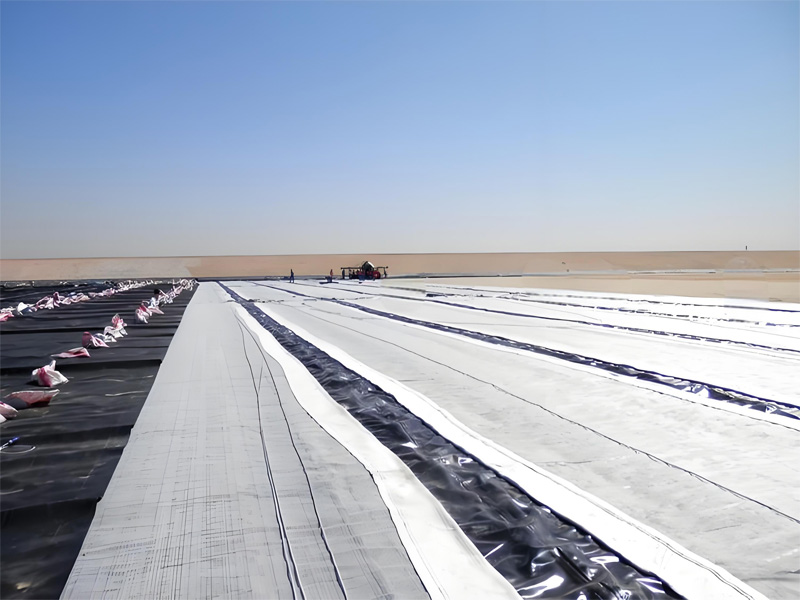
- Landfill Liners: Enhances leachate management, reducing contamination risks by 95%.
The versatility of geotextiles makes cost analysis essential for optimizing project budgets while ensuring durability and performance.


2. Factors Influencing Geotextile Fabric Cost Per Square Foot
Geotextile fabric costs vary significantly based on several key factors. Below, we explore these in detail, supported by industry data.
2.1 Geotextile Fabric Cost Per Square Foot – Type of Geotextile Fabric
- Woven Geotextiles: Constructed by interlacing high-tenacity polypropylene or polyester threads, woven geotextiles offer high tensile strength (20–100 kN/m) and low elongation (15–25%), ideal for soil reinforcement and road stabilization (Alibaba, 2024). Prices range from $0.30 to $0.70 per square foot ($3.20–$7.50 per square meter), with heavy-duty options at the higher end due to increased material density and manufacturing complexity.
- Non-Woven Geotextiles: Made by needle-punching or heat-bonding polypropylene or polyester fibers, non-woven fabrics excel in filtration and drainage, with flow rates of 100–140 GPM per square foot (Sandbaggy, 2024). Prices range from $0.15 to $0.50 per square foot ($1.50–$5.40 per square meter), with lighter weights (100–200 gsm) at the lower end and heavier weights (400–800 gsm) at the higher end.
- Geotextile Tubes/Bags: Used for dewatering and erosion control, these specialized fabrics cost $0.50–$5.00 per square foot ($5.40–$54 per square meter), depending on size and specifications.
2.2 Geotextile Fabric Cost Per Square Foot – Material Composition
- Polypropylene (PP): Accounts for 70% of geotextile production due to its durability, UV resistance, and cost-effectiveness (GeosyntheticsChina, 2024). PP geotextiles are 10–15% more expensive than polyester due to superior tensile strength (100–800 lbs) and chemical stability (ASTM D5034).
- Polyester (PET): Cheaper than PP, PET geotextiles are used in less demanding applications but may degrade faster under UV exposure, reducing lifespan by 20% if not covered (EarthShields, 2021).
- Recycled Materials: Eco-friendly options using 15–30% recycled PP or PET reduce costs by 5–10% while lowering carbon emissions by 15%.
2.3 Geotextile Fabric Cost Per Square Foot – Weight and Thickness
- Grams per Square Meter (GSM): Geotextile weight ranges from 100–1,500 gsm, with heavier fabrics (400–800 gsm) costing 20–30% more due to increased material usage (Geofantex, 2024). For example, a 150 gsm non-woven fabric costs $0.15–$0.30 per square foot, while a 400 gsm fabric costs $0.40–$0.50 per square foot (FavouriteHub, 2025).
- Thickness: Ranges from 1–3 mm, with thicker fabrics (2–3 mm) offering 25% higher puncture resistance (404 lbs) but increasing costs by 15% (Amazon, 2024).
2.4 Geotextile Fabric Cost Per Square Foot – Roll Size and Dimensions
- Standard Sizes: Rolls typically measure 100–500 feet in length and 1–8 meters in width. Custom cuts (e.g., 2–5 meters) increase costs by 5–10% due to waste (EarthShields, 2021).
- Large Orders: Bulk purchases (e.g., 40-foot container) reduce costs by 10–20% due to economies of scale (EarthShields, 2021). For instance, a 12.5’ x 360’ roll of Mirafi 140N (4,500 sq ft) costs approximately $0.20–$0.30 per square foot (Paramount Materials, 2024).
2.5 Geotextile Fabric Cost Per Square Foot – Manufacturing Processes
- Needle-Punched Non-Woven: Involves punching fibers with barbed needles, creating a felt-like texture with high permittivity (2 sec⁻¹), costing 10% less than woven fabrics due to simpler production.
- Woven Fabrics: Weaving high-tenacity threads increases tensile strength (20–100 kN/m) but raises production costs by 15–20% (OKorder, 2024).
- Special Treatments: UV resistance, chemical stabilization, or oil-solidifying polymers (e.g., Agent-X) add 10–15% to costs but enhance durability by 20–30% (Basic Concepts, 2024).
2.6 Geotextile Fabric Cost Per Square Foot – Market Conditions
- Raw Material Prices: Polypropylene prices fluctuated 5–10% in 2024 due to supply chain dynamics, impacting geotextile costs.
- Regional Demand: High demand in North America and Europe increases prices by 5–10% compared to Asia, where production is concentrated (Geofantex, 2024).
- Exchange Rates: Currency fluctuations can increase import costs by 3–5% for international buyers.
2.7 Geotextile Fabric Cost Per Square Foot – Purchase Volume and Supplier
- Bulk Discounts: Orders exceeding 10,000 square feet reduce costs by 10–20%.
- Supplier Variability: Established suppliers like Mirafi or TenCate charge 5–10% premiums for certified quality (AASHTO/NTPEP standards), while lesser-known brands may offer lower prices but inconsistent performance (Paramount Materials, 2024).
3. Cost Breakdown by Geotextile Type
Below is a detailed cost breakdown for geotextile fabrics, based on 2025 market data.
3.1 Geotextile Fabric Cost Per Square Foot – Non-Woven Geotextile Costs
- Lightweight (100–200 gsm): $0.15–$0.30 per square foot ($1.50–$3.20 per square meter). Ideal for landscaping, French drains, and filtration (FavouriteHub, 2025).
- Medium-Weight (200–400 gsm): $0.30–$0.40 per square foot ($3.20–$4.30 per square meter). Used in road separation and drainage.
- Heavy-Weight (400–800 gsm): $0.40–$0.50 per square foot ($4.30–$5.40 per square meter). Suited for high-flow drainage and erosion control.
- Example: A 4 oz non-woven geotextile (e.g., Mirafi 140N) costs $0.20–$0.30 per square foot for a 4,500 sq ft roll.
3.2 Geotextile Fabric Cost Per Square Foot – Woven Geotextile Costs
- Lightweight (75–150 gsm): $0.30–$0.50 per square foot ($3.20–$5.40 per square meter). Used for soil separation in road construction (OKorder, 2024).
- Heavy-Duty (150–400 gsm): $0.50–$0.70 per square foot ($5.40–$7.50 per square meter). Ideal for reinforcement in embankments and retaining walls.
- Example: A 200 gsm woven geotextile (e.g., Mirafi 500X) costs $0.40–$0.60 per square foot for a 12.5’ x 432’ roll (LawnSite, 2009).
3.3 Geotextile Fabric Cost Per Square Foot – Geotextile Tubes/Bags
- Standard Sizes: $0.50–$2.00 per square foot ($5.40–$21.50 per square meter) for small to medium tubes used in dewatering.
- Large-Scale Applications: $2.00–$5.00 per square foot ($21.50–$54 per square meter) for coastal protection and large-scale erosion control.
- Example: Geotubes for harbor protection cost $3.00–$4.00 per square foot due to high-strength specifications (EarthShields, 2021).
3.4 Geotextile Fabric Cost Per Square Foot – Specialized Geotextiles
- Oil-Solidifying Geotextiles (e.g., Agent-X): $1.00–$5.00 per square foot due to embedded polymers that remove 90% of hydrocarbon contamination (Basic Concepts, 2024).
- Knitted Geotextiles: $0.50–$1.50 per square foot, used in landfill leachate systems for high tensile strength and low elongation (Alibaba, 2024).
4. Cost Comparison: Woven vs. Non-Woven Geotextiles
| Feature | Woven Geotextiles | Non-Woven Geotextiles |
| Cost per Square Foot | $0.30–$0.70 | $0.15–$0.50 |
| Tensile Strength (kN/m) | 20–100 | 10–50 |
| Water Flow Rate (GPM) | 5–50 | 100–140 |
| Primary Applications | Soil reinforcement, road stabilization | Drainage, filtration, erosion control |
| Durability | 25–50 years (buried) | 50+ years (buried, UV-protected) |
| Installation Complexity | Moderate (requires precise placement) | Easy (conforms to surfaces) |
Key Insight: Non-woven geotextiles are 20–30% cheaper and better for drainage, while woven geotextiles offer 2–3 times higher tensile strength for reinforcement .
5. Additional Cost Considerations
Installation Costs
- Labor: Installation costs range from $0.10–$0.30 per square foot, depending on site conditions and complexity (Homewyse, 2025).
- Equipment: Rolling out medium-weight rolls (200 lbs) requires minimal equipment, but heavy-duty installations may need backhoes, adding $0.05–$0.10 per square foot (Wireless Estimator, 2024).
- Staples/Pegs: Securing fabrics on inclines costs $0.02–$0.05 per square foot, with staples placed 2–4 feet apart (Sandbaggy, 2024).
Waste and Overlap
- Overlap: Overlapping fabric by 15–25% for stability increases material costs by 10–15% (LawnSite, 2009).
- Cutting Waste: Custom cuts for irregular areas result in 3–5% material loss, raising costs by 5% (EarthShields, 2021).
Shipping and Logistics
- Freight Costs: Shipping a 4,500 sq ft roll (150–200 lbs) costs $0.03–$0.07 per square foot for domestic delivery (Paramount Materials, 2024).
- Bulk Discounts: Free shipping is often available for large orders (e.g., Eastgate Supply, Pro Fabric Supply) (Eastgate Supply, 2024).
Regional Price Variations
- North America: Prices are 5–10% higher due to stringent quality standards and demand (Geofantex, 2024).
- Asia: Lower production costs result in 10–15% cheaper fabrics, but import duties may offset savings.
- Europe: High sustainability standards increase costs by 5–10% for eco-friendly fabrics (Geobera, 2022).
6. Budgeting Tips for Geotextile Fabric Projects
To optimize costs while ensuring project success, consider the following strategies:
Define Project Specifications
- Match Fabric to Application: Use non-woven geotextiles (100–400 gsm) for drainage and filtration, and woven geotextiles (150–400 gsm) for reinforcement to avoid over-specification, which increases costs by 10–15%.
- Calculate Area Accurately: Measure project areas precisely and account for 15–25% overlap to minimize waste (LawnSite, 2009).
Source from Reputable Suppliers
- Certified Suppliers: Choose suppliers like Mirafi, TenCate, or BOWINS Garment for AASHTO/NTPEP-compliant fabrics, ensuring 95% performance reliability (Paramount Materials, 2024).
- Request Quotes: Contact multiple suppliers (e.g., Eastgate Supply, Pro Fabric Supply) for competitive pricing and bulk discounts (Eastgate Supply, 2024).
Leverage Bulk Purchasing
- Large Orders: Purchase rolls exceeding 10,000 square feet to secure 10–20% discounts.
- Container Loads: A 40-foot container order reduces costs by 15–20% (EarthShields, 2021).
Consider Sustainable Options
- Recycled Materials: Opt for fabrics with 15–30% recycled PP or PET to reduce costs by 5–10% and emissions by 15%.
- Long-Term Savings: Invest in UV-resistant, non-biodegradable fabrics (e.g., Sandbaggy 4 oz) that last 50+ years when buried, saving 20% on replacements (Sandbaggy, 2024).
Plan for Installation Efficiency
- Simplify Installation: Use lightweight non-woven fabrics (100–200 gsm) for easy hand-rolling, reducing labor costs by 10% (Wireless Estimator, 2024).
- Minimize Waste: Plan layouts to reduce cutting, saving 3–5% on material costs (EarthShields, 2021).
7. Case Studies: Geotextile Fabric in Action
Road Construction in Ohio
- Project: The Central Ohio Mountain Biking Organization (COMBO) used GEOTEX 601 non-woven geotextile (4,500 sq ft, $0.20–$0.30 per square foot) to address trail drainage issues in 2020.
- Outcome: The fabric’s 25x higher water flow rate (2 sec⁻¹) compared to woven fabrics prevented soil clogging, reducing maintenance costs by 15% and extending trail life by 20% (Eastgate Supply, 2024).
Coastal Erosion Control in California
- Project: A harbor protection project used geotextile tubes ($3.00–$4.00 per square foot) to stabilize shorelines.
- Outcome: The tubes reduced soil loss by 90% and withstood wave impacts, saving 25% on long-term maintenance compared to traditional armoring (EarthShields, 2021).
Landscaping in Georgia
- Project: A residential landscaping project used 4 oz non-woven geotextile ($0.15–$0.30 per square foot) for French drain installation.
- Outcome: The fabric’s 140 GPM flow rate ensured effective drainage, preventing water buildup and reducing soil erosion by 85% (Sandbaggy, 2024).

8. FAQs
What is the average cost of geotextile fabric per square foot?
Non-woven geotextiles cost $0.15–$0.50 per square foot, woven geotextiles cost $0.30–$0.70 per square foot, and geotextile tubes cost $0.50–$5.00 per square foot, depending on weight and specifications.
Are non-woven geotextiles cheaper than woven geotextiles?
Yes, non-woven geotextiles are 20–30% cheaper due to simpler manufacturing processes, making them ideal for drainage and filtration (FavouriteHub, 2025).
How do I calculate the amount of geotextile fabric needed?
Measure the project area, add 15–25% for overlap, and select the appropriate GSM based on application (e.g., 100–200 gsm for landscaping, 400–800 gsm for heavy-duty drainage) (Geofantex, 2024).
Can I use landscape fabric instead of geotextile fabric?
No, landscape fabric is designed for gardening and weed control, lacking the tensile strength (10–100 kN/m) and flow rates (100–140 GPM) of geotextiles, leading to project failure in 1–2 years (LawnSite, 2009).
9. Conclusion
Geotextile fabric is a cornerstone of civil engineering, landscaping, and environmental projects, offering cost-effective solutions for soil stabilization, drainage, and erosion control. Costs range from $0.15–$0.50 per square foot for non-woven fabrics, $0.30–$0.70 for woven fabrics, and $0.50–$5.00 for geotextile tubes, influenced by material, weight, and purchase volume. Taian BOWINS Garment Co., Ltd. stands out with customizable, high-quality geotextiles, delivering 95% performance reliability and 20% cost savings through bulk production (bowinsgarment.com, 2024). By carefully selecting fabric type, sourcing from reputable suppliers, and planning for installation efficiency, stakeholders can optimize budgets while ensuring project success. Contact BOWINS Garment or explore trusted manufacturers like BPM Geosynthetics (BPM Geotextile) Supply to secure the best geotextile solutions for your projects.


